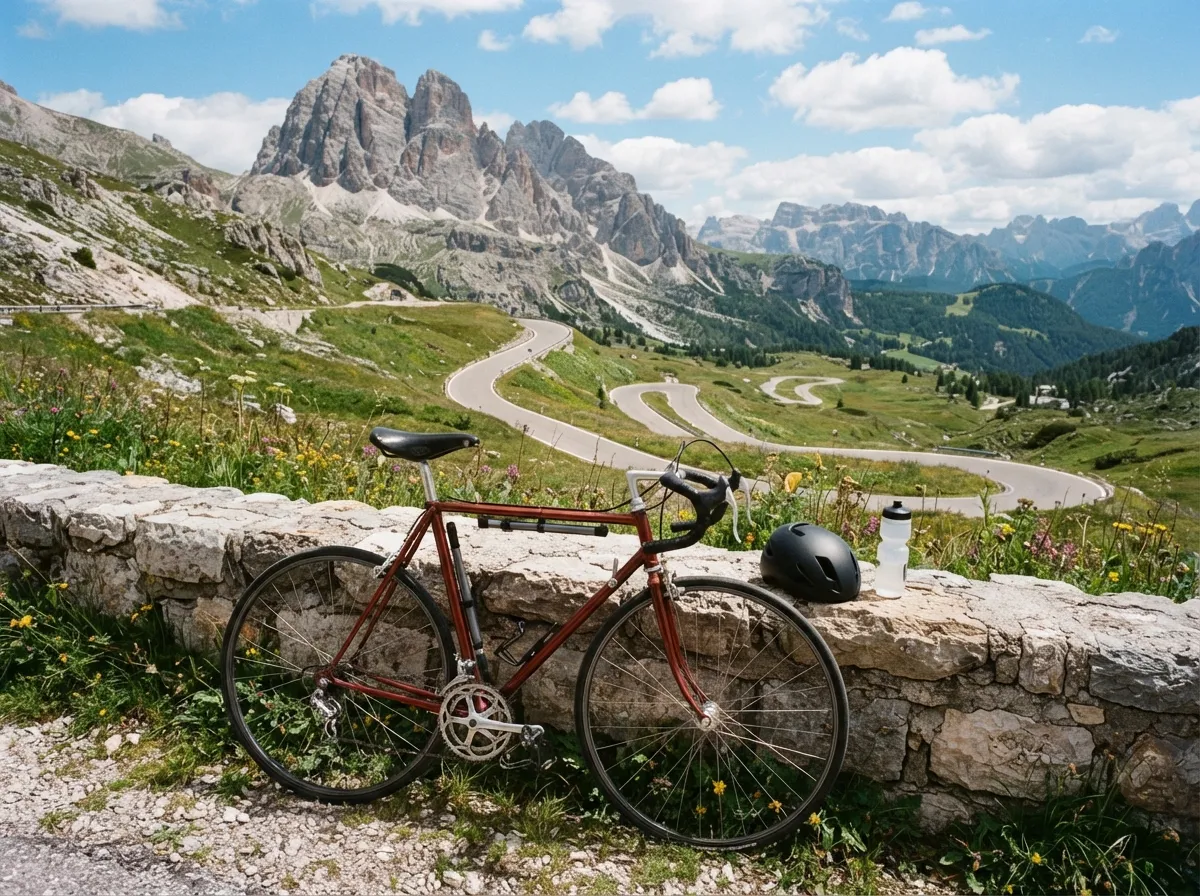
Italy gave the world some of its most admired sports machines and traditions: racing bicycles built by hand in small workshops, motorcycles that have won championships for decades, ski equipment tested on Alpine slopes and a football culture that fills entire cities on a Sunday. Companies that design, make and sell this equipment now serve customers in dozens of countries, and every export depends on texts that must be understood in more than one language. A cycling brand that sells from Veneto to Vancouver needs manuals, size charts, warranty terms and race reports that read naturally in English and in Italian. Professional Italian translation protects the reputation of sports brands, because riders, skiers and fans notice at once when a manual is confusing or a product page sounds careless. This article looks at the main kinds of sports texts that benefit from careful translation and shows how teams can organise the work.
Technical manuals, assembly guides and safety notices
Sports equipment is only as good as the instructions that come with it. A bicycle frame, a helmet, a ski binding or a motorcycle part must be assembled, adjusted and maintained correctly, and a poor translation can lead to injuries, damaged parts and refused warranty claims. Italian technical writing often uses compact phrases and part names that have no simple English twin, so translators need experience in engineering and sport. Brands that ask for italian translation services should send exploded diagrams, part lists and any standard they follow, together with a glossary of component names, torque values and unit conventions. Safety warnings must stay short, direct and impossible to misread, and numbers and units should be checked by an engineer who can confirm that the English instruction describes exactly the same procedure as the Italian original.
Product pages, catalogues and size guides
Online shops sell equipment to buyers who cannot touch the product, so descriptions, size charts and comparison tables carry the whole sales conversation. Italian marketing language likes elegant, emotional phrasing, while English readers often prefer concrete facts, specifications and benefits stated plainly. A good translator keeps the pride in craftsmanship but trims phrases that sound vague abroad, and converts measurements correctly between metric and imperial systems when the market requires it. Catalogues for dealers should follow the same product names across every language, so that a retailer in Germany, Canada and Australia can order the same item without confusion. Keep a shared product glossary and update it whenever a new model, colour or material is added to the range.
Team communication, sponsors and race reports
Professional teams work with riders, mechanics, doctors and sponsors from many countries, and daily communication moves between Italian and English. Race reports, training plans, contract summaries and sponsor presentations must be accurate and delivered on time, because decisions about equipment, tactics and money depend on them. Sponsorship proposals need especially clear wording about exclusivity, media duties and payment dates. Our guide on immigration translation explains how official papers are prepared when people move between countries, which matters for foreign riders and technicians who join Italian teams and need visas, work permits and residence documents. Agree early on one contact person for translation requests, so that urgent questions do not get lost between departments.
Events, tourism and fan experience
Granfondo rides, ski races, motor shows and football matches attract visitors from abroad who need clear information about registration, routes, safety, accommodation and local rules. Websites, rider guides, signs and apps should be available in English from the first day of registration, and emergency information must be simple and unmistakable. Local tourism offices and hotels can add value by offering route descriptions, bike storage rules and food suggestions in both languages. Fans also expect museums, team shops and stadium tours to tell their stories well, with accurate dates, names and records. A friendly, well translated welcome turns a first visit into a tradition that families repeat every year.
Choosing a translator for sports and engineering texts
The best results come from linguists who understand both the sport and the technology behind it. Ask candidates which kinds of equipment or competitions they have worked on, request a short paid test with a real paragraph from your manual and have an engineer or coach review it. Provide reference material such as earlier catalogues, standards and approved terms, and name one person who can answer questions within a day. Agree how updates will be handled when a new model appears, so that the Italian and English versions stay aligned over many seasons and product generations.
Quality checks before anything is printed
Before a manual goes to print or a product page goes live, have a native speaker with sports experience read the final proof against the source. Check numbers, units, part names, line breaks, special characters and the order of steps, and ask a mechanic or coach to follow the instructions once from start to finish. Save the approved terms in a glossary and the approved sentences in a translation memory, so that the next catalogue starts from reliable material. A few hours of checking cost far less than a reprint, a recall or an unhappy customer on a mountain road.
Where to read more
For a neutral overview of one of the most famous cycling races in the world, see the Wikipedia article on the Giro d'Italia, which describes its history, routes and cultural importance.