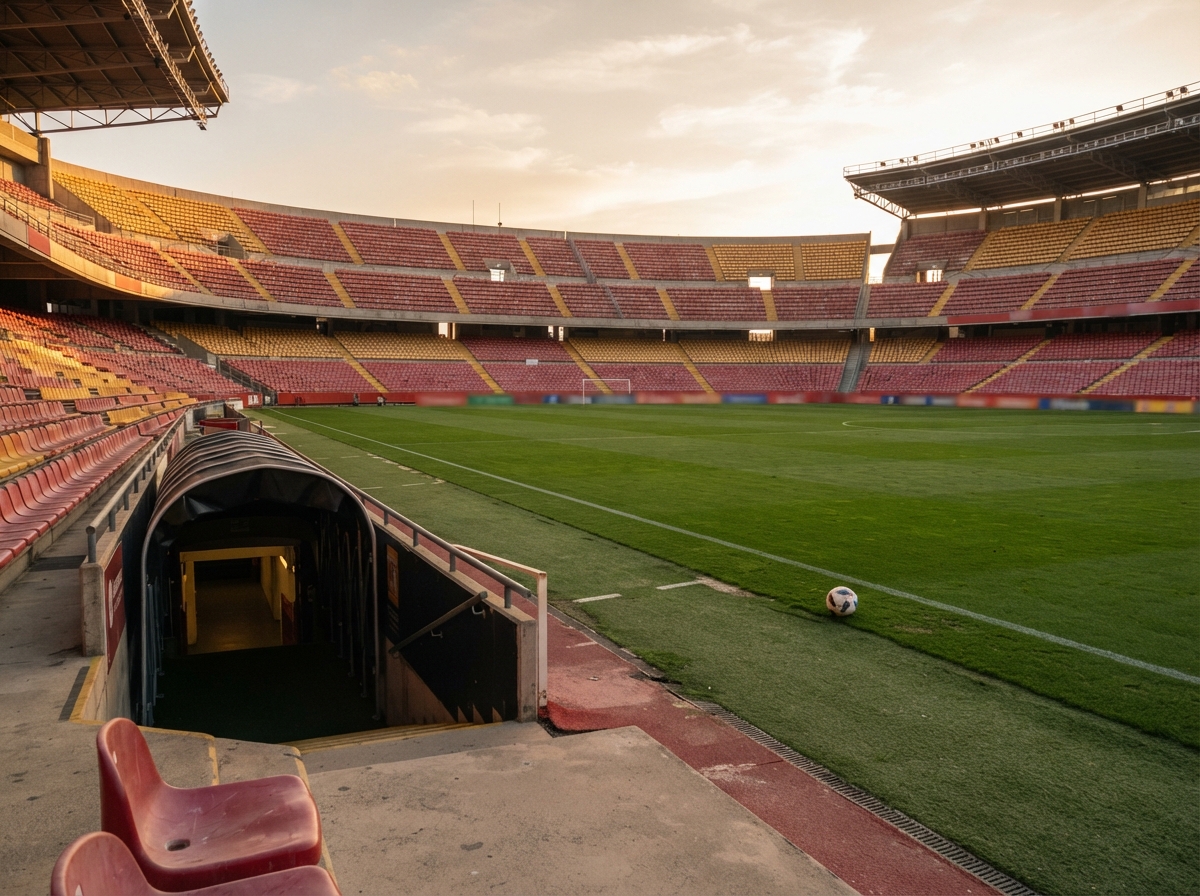
Football in Spanish speaking countries is more than a game. It is an industry that employs thousands of people, moves millions of euros every transfer window and keeps fans glued to their screens from Madrid to Mexico City and from Buenos Aires to Bogota. Clubs in England, Germany, the United States or Japan that want to work with this world quickly discover that every serious step runs through documents and conversations in Spanish. Contracts, medical files, scouting reports, fan emails and sponsorship offers all arrive in a language that must be understood perfectly, because a small misreading can cost a signing, a sponsor or a season ticket holder. Professional Spanish translation gives clubs, agents and supporters one shared version of the truth, and that clarity is worth more than any single result on the pitch. This article looks at the main areas where good translation makes the difference.
Contracts, transfers and agent agreements
A professional football contract is a dense document that covers salary, bonuses, image rights, insurance, release clauses, loan conditions and the obligations of both player and club. Spanish contracts follow national labour law and the regulations of the league and the federation, so many terms have a precise meaning that does not match an English word exactly. Clubs and agents who need spanish translation services for a transfer should hand the translator the full contract, every annex and any side letter, together with a list of the names of all parties, so that spelling stays identical in every document. Deadlines matter as much as words, because a transfer window closes at a fixed hour and a late or unclear submission can undo weeks of negotiation. A lawyer who knows sports law should always check the final English version before anyone signs, and both language versions should be filed together for any later dispute.
Fan communication, social media and marketing
Supporters expect their club to speak to them in their own voice, with humour, passion and respect for the rival. Match day posts, newsletters, ticket offers and shop descriptions therefore need more than word for word translation. Spanish uses different registers across countries, and a joke that works in Seville may fall flat in Monterrey, so writers must adapt idioms, chants and nicknames with care. Our guide on what to translate for the Spain digital nomad visa shows how carefully documents must be prepared for Spanish authorities, and the same discipline helps clubs that bring foreign players, coaches and staff to Spain for a season. Keep a style guide with approved names for players, stadium areas and products, and review every campaign with a native speaker before it goes live, since a careless word spreads fast online.
Academies, youth players and families
Many clubs recruit teenage talent from Spanish speaking countries, and these moves involve parents, schools and guardians who may not speak English. Registration forms, consent letters, housing agreements, school reports and codes of conduct must be explained in clear and simple language so that families understand their rights and duties. Safeguarding policies deserve special attention, because they protect young people far from home. Translators should avoid legal jargon where a plain phrase works and should keep contact details, dates and names exactly as written. When possible, offer a bilingual welcome pack that describes training schedules, school arrangements, medical care and the people to call in an emergency. Families who feel informed are more likely to trust the club, and trust is the foundation of every successful youth programme.
Medical, performance and scouting reports
Modern football relies on data and detailed reports. Medical examinations, injury histories, rehabilitation plans, fitness tests and scouting notes use specialist terms, abbreviations and measurements that must be handled with great care. A wrong figure in a medical file can affect a transfer fee or a player's health, so these texts call for translators with experience in sports medicine and a second reviewer who checks every number. Scouting reports also contain opinions about style and character, and the translator must keep the tone of the original instead of making it sound harsher or softer. Build a glossary of positions, tactical terms and medical words that every department shares, and store all approved translations in a secure system, since this information is confidential and commercially sensitive.
Stadium operations, events and tourism
On match days the stadium becomes a small city. Visitors from abroad need clear signs, safety instructions, ticket terms, accessibility information and food menus, and staff need training material that explains how to help guests in two languages. Sponsorship contracts, hospitality packages and tour programmes require the same careful treatment as any commercial document, with exact prices, dates and conditions. Museums and stadium tours add another layer, because their stories about history and legendary players must be accurate and engaging. Plan translation early for big fixtures, test signs with real visitors and keep emergency messages short and unmistakable. A welcoming, well translated experience turns a one time visitor into a lifelong fan.
Where to read more
For a neutral overview of the top division of Spanish football and its history, see the Wikipedia article on La Liga, which describes the clubs, the competition format and its international reach.